Get the Aluminum, Barium and Strontium out of Your Body, or Risk...
Nanoparticulate aluminum (Al-NPs) has been studied for its potential toxic effects on the human body, particularly due to its small size and high reactivity. Here are some key toxicological concerns:
1. Neurological Toxicity
Al-NPs can cross the
blood-brain barrier (BBB), leading to neuroinflammation and oxidative stress. Studies suggest a potential link to neurodegenerative diseases like Alzheimer’s disease, Parkinson’s disease, and multiple sclerosis due to aluminum's accumulation in brain tissues. Increases in reactive oxygen species (ROS) may cause neuronal damage.
2. Respiratory Toxicity
Inhalation exposure (e.g., from industrial or environmental
sources) may cause lung inflammation, fibrosis, and oxidative stress.
Prolonged exposure could contribute to lung diseases like chronic obstructive pulmonary disease (COPD) or pulmonary fibrosis.
3. Cardiovascular Effects
Al-NPs can enter the bloodstream, potentially causing vascular inflammation, endothelial dysfunction, and increased risk of
atherosclerosis.
May contribute to hypertension and other cardiovascular disorders through oxidative stress and inflammation.
4. Gastrointestinal and Liver Toxicity
Ingestion of Al-NPs (e.g., through contaminated food or water) may lead to intestinal inflammation, microbiome imbalance, and gastrointestinal distress.
The liver is a key detoxification organ, and aluminum accumulation can cause hepatic
inflammation, fibrosis, and enzyme dysregulation.
5. Renal Toxicity
Aluminum is excreted via the kidneys, and prolonged exposure may result in kidney dysfunction, nephrotoxicity, and even renal failure.
Patients with pre-existing kidney diseases are particularly vulnerable to aluminum toxicity.
6. Immune System Dysregulation
Al-NPs may trigger immune overactivation or suppress
immune function, increasing susceptibility to infections.
May induce autoimmune responses and chronic inflammation.
7. Reproductive and Developmental Toxicity
Studies suggest potential effects on sperm quality, hormonal balance, and fetal development.
May contribute to birth defects, developmental delays, and reproductive disorders.
8. Research has shown that elevated aluminum levels are found in the brains of individuals who died from Alzheimer’s disease (AD), Parkinson’s disease (PD), and other neurodegenerative disorders. Here’s what the evidence suggests:
Aluminum and Alzheimer’s Disease (AD)
Studies have detected high aluminum concentrations in the brains of Alzheimer’s patients, particularly in the
hippocampus, cortex, and other regions associated with memory and cognition.
Aluminum is suspected to contribute to beta-amyloid plaque formation, a hallmark of AD.
It may also promote tau protein aggregation, leading to neurofibrillary tangles that impair neuron function.
Aluminum-induced oxidative stress and inflammation can further exacerbate neurodegeneration.
A 2020 study found that Alzheimer’s
patients with familial AD had significantly higher aluminum levels in brain tissues.
Aluminum and Parkinson’s Disease (PD)
Some studies have reported increased aluminum deposits in the substantia nigra, a key region affected in Parkinson’s disease.
Aluminum may contribute to dopaminergic neuron damage, leading to decreased dopamine levels, a characteristic of
PD.
Oxidative stress and mitochondrial dysfunction, both associated with aluminum exposure, are linked to the progression of PD.
While the role of aluminum in PD is not as well established as in AD, evidence suggests it may be a contributing environmental factor.
Potential Mechanisms of Aluminum-Induced Neurotoxicity
Crosses the Blood-Brain Barrier (BBB)
Aluminum can accumulate in the brain over time, especially
in individuals with weakened BBB integrity.
Promotes Oxidative Stress
Leads to an overproduction of reactive oxygen species (ROS), damaging neurons.
Inflammatory Response
Triggers chronic neuroinflammation, leading to neuron damage and cell death.
Interferes with Protein Folding
May cause the misfolding and aggregation of beta-amyloid and tau proteins, key
features of AD.
Disrupts Neurotransmitter Function
Impairs dopaminergic signaling, affecting motor function (relevant to PD).
Mechanisms of Toxicity
Oxidative Stress: Overproduction of ROS leads to cellular damage.
Inflammation: Chronic inflammatory responses may damage tissues.
Genotoxicity: Potential to damage DNA, increasing cancer
risk.
Protein Misfolding: Possible role in neurodegenerative diseases.
Take Action To Remove The Aluminum From Your Body:
Calcium Disodium EDTA (ethylenediaminetetraacetic acid) can bind to aluminum. EDTA is a strong chelating agent that forms stable complexes with a variety of metal ions, including aluminum (Al³⁺). However, the
effectiveness of EDTA in binding aluminum depends on factors such as pH, the presence of other competing metal ions, and solution conditions.
Binding Affinity: EDTA has a moderate binding affinity for aluminum, but it binds more strongly to metals like lead, iron, and calcium.
pH Dependence: The chelation efficiency is higher in slightly acidic to neutral pH, where aluminum ions are more
soluble.
Displacement of Calcium: Since Calcium Disodium EDTA already contains calcium, it may exchange calcium for aluminum if aluminum is present in a higher affinity state.
Several natural compounds can help remove aluminum from the human body by chelating it or supporting detoxification pathways. Here are some effective options:
1. Silica (Silicic Acid)
Found in
natural mineral water, horsetail herb, and bamboo extract.
Helps bind aluminum and facilitate its excretion through urine.
Studies suggest orthosilicic acid (in silica-rich water) can reduce aluminum accumulation in the brain.
2. Malic Acid
Found in apples, grapes, and berries.
Helps bind and mobilize aluminum, making it easier to
excrete.
Supports mitochondrial function, which can be affected by aluminum toxicity.
3. Citric Acid
Found in lemons, limes, oranges, and other citrus fruits.
Helps solubilize aluminum, making it easier for the body to eliminate.
Can cross the blood-brain barrier, potentially helping clear aluminum from the brain.
4. Chlorella & Spirulina
Both
are algae superfoods known for their strong detox properties.
Contain chlorophyll, which helps remove heavy metals including aluminum.
Chlorella has a cell wall structure that binds metals and aids elimination.
5. Fulvic Acid & Humic Acid
Found in shilajit, soil-based minerals, and decomposed plant matter.
Can bind aluminum and help transport it out of the
body.
Supports gut health and overall mineral balance.
6. Turmeric (Curcumin)
Helps reduce oxidative stress caused by aluminum.
May support liver detox pathways to process and excrete aluminum.
Works well with black pepper (piperine) for better absorption.
7. Magnesium
Found in leafy greens, nuts, seeds, and mineral water.
Competes with
aluminum for binding sites in cells, reducing aluminum accumulation.
Helps protect against aluminum-induced neurotoxicity.
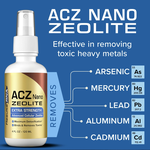
8. Zeolite (Clinoptilolite)
A volcanic mineral that binds aluminum and other heavy metals.
Works as a molecular sieve, trapping aluminum for safe elimination.
Must be properly processed for human consumption.
9. Glutathione (Master
Antioxidant)
Found in asparagus, avocados, and cruciferous vegetables.
Supports liver detoxification and helps neutralize aluminum toxicity.
Can be boosted by consuming N-acetylcysteine (NAC).
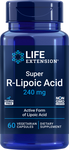
10. Alpha Lipoic Acid (ALA)
Found in spinach, broccoli, and organ meats.
A powerful antioxidant that crosses the blood-brain
barrier.
Helps mobilize and remove aluminum from tissues.
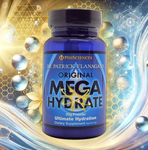
Bonus: Hydration & Sauna
Drink purified water (preferably silica-rich) to flush out aluminum.
Sweating (via exercise or sauna use) helps eliminate toxins, including aluminum.