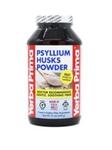
Psyllium husk powder plays a valuable role in the human diet, primarily due to its high soluble fiber content. It is derived from the seeds of the Plantago ovata plant and is often used as a dietary supplement. Here's a breakdown of its key roles:
🌾 1. Digestive Health Support
Relieves Constipation: Psyllium absorbs water and forms a
gel-like substance that helps soften stool and promote regular bowel movements.
Helps with Diarrhea: Its water-absorbing properties can also bulk up loose stools.
Supports Gut Health: It acts as a prebiotic, feeding beneficial gut bacteria.
❤️ 2. Heart Health
Lowers Cholesterol Levels: Soluble fiber from psyllium binds to bile acids, which are made from cholesterol, and helps excrete them, thereby
reducing overall cholesterol levels—especially LDL ("bad" cholesterol).
Improves Blood Pressure: Regular intake may help slightly lower blood pressure in some individuals.
🍽️ 3. Blood Sugar Control
Psyllium slows the digestion and absorption of carbohydrates, leading to more stable post-meal blood sugar levels—particularly beneficial for people with type 2 diabetes.
⚖️ 4. Weight
Management
Increases Satiety: The gel-forming fiber can create a feeling of fullness, which may help reduce appetite and overall calorie intake.
Aids in Portion Control: Often used as a filler in recipes or supplements to help people feel satisfied with smaller portions.
🌿 5. Gluten-Free and Keto-Friendly Cooking
Psyllium husk is used as a binding agent in gluten-free and low-carb baking, helping to
provide structure and elasticity to breads and baked goods without using wheat flour.