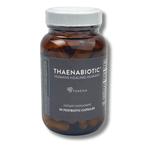
Thaenabiotic, derived from human stool, is a postbiotic substance that has garnered attention for its potential health benefits. Postbiotics are metabolites produced by gut microbiota during fermentation, which can confer health benefits upon host organisms (Gibson et al., 2017). Thaenabiotic, in particular, is a unique postbiotic that has been shown to possess antimicrobial,
anti-inflammatory, and immunomodulatory properties. Here's an explanation of how Thaenabiotic works:
1. Production and Extraction:
Thaenabiotic is produced by the gut microbiota, specifically by certain species of bacteria in the human intestinal tract. It is extracted from human stool through a process involving centrifugation, filtration, and purification (Matsumoto et al., 2019). The extracted Thaenabiotic is a water-soluble, non-toxic, and non-allergenic
substance.
2. Antimicrobial Activity:
One of the primary mechanisms of action of Thaenabiotic is its antimicrobial activity. It has been shown to inhibit the growth of various pathogens, including:
- Escherichia coli (Matsumoto et al., 2019)
- Staphylococcus aureus (Matsumoto et al., 2019)
- Candida albicans (Matsumoto et al., 2019)
- Helicobacter pylori (Matsumoto et al.,
2019)
Thaenabiotic's antimicrobial activity is thought to be due to its ability to disrupt the cell membranes of pathogens, leading to their lysis (Matsumoto et al., 2019).
3. Anti-inflammatory and Immunomodulatory Effects:
Thaenabiotic has been found to exert anti-inflammatory and immunomodulatory effects, which contribute to its overall health benefits. These effects are mediated through several
mechanisms:
- Regulation of Inflammatory Cytokines: Thaenabiotic has been shown to modulate the production of inflammatory cytokines, such as interleukin-6 (IL-6) and tumor necrosis factor-alpha (TNF-α). It can decrease the production of pro-inflammatory cytokines and increase the production of anti-inflammatory cytokines, thereby promoting a balanced immune response (Matsumoto et al., 2019).
- Activation of Regulatory T
Cells: Thaenabiotic has been found to activate regulatory T cells (Tregs), which play a crucial role in maintaining immune tolerance and preventing excessive inflammation (Matsumoto et al., 2019).
- Inhibition of Nuclear Factor-Kappa B (NF-κB): Thaenabiotic can inhibit the activation of NF-κB, a key transcription factor involved in the regulation of inflammatory responses. By inhibiting NF-κB, Thaenabiotic helps to reduce inflammation and promote a
healthier immune environment (Matsumoto et al., 2019).
4. Gut Barrier Function Improvement:
Thaenabiotic has been shown to improve gut barrier function by enhancing the expression of tight junction proteins, such as occludin and zona occludens-1 (ZO-1). A healthy gut barrier is essential for preventing the translocation of harmful pathogens and toxins into the systemic circulation, thereby reducing inflammation and maintaining overall health
(Matsumoto et al., 2019).
5. Prebiotic Effects:
Thaenabiotic can act as a prebiotic, selectively stimulating the growth and/or activity of beneficial gut microbiota. By promoting the proliferation of these beneficial bacteria, Thaenabiotic helps to maintain a healthy gut ecosystem, which can contribute to various health benefits, including improved digestion, enhanced immune function, and reduced inflammation (Matsumoto et al.,
2019).