Free radicals damage the lining of the arteries; damage the brain and other cell membranes. Massive levels of inflammation in the body can be caused from cooked polyunsaturated seed oils. If you want to avoid the pain of inflammation or dementia, then avoid free radical generating high heat pressed seed oils and oxidized fish oils. You must only use unoxidized or super low oxidation seed or fish
oils.
The Queen of Fats For the Brain: Approximately 60 percent of the human brain is composed of fat, 25 percent of that material is DHA. Since the synthesis of DHA from Alpha Lenolenic Acid in humans is much lower and more limited than previously assumed. The excessive consumption of oxidized omega-6 fatty acids in the modern Western diet further displaces DHA from membrane phospholipids. An emerging body of research is exploring a unique role for DHA
in brain development and the prevention of neuropsychiatric and neurodegenerative disorders. DHA is increasingly being added back into the food supply as fish oil or algae derived oil supplementation.
A study done on Japanese students during the high stress period of final exams showed that students supplemented with DHA were significantly less aggressive than students who were not supplemented with DHA. Over 1200 patients participated in an
epidemiological study that showed that people with high DHA levels were 45 percent less likely to develop dementia than people with low DHA levels. This suggests that proper DHA intake may reduce the risk of developing Alzheimer's.
A 1997 study showed that schizophrenic patients were less likely to have been breastfed in infancy, and the lack of DHA during early brain development contributes to the development of schizophrenia. Studies show that symptoms of multiple sclerosis
such as muscular weakness, loss of coordination, and speech and visual disturbances are linked to subnormal levels of omega 3 fatty acids such as DHA.
Unoxidized Essential Fatty Acid’s Are Oxygen Magnets: Think of EFA’s as oxygen magnets. The EFA in our cell membranes act as oxygen magnet. No matter how much you breathe or exercise if you don’t have enough EFA’s within the membrane of the cells, your cells may not absorb enough oxygen from your blood and you will be that much more
susceptible to cancer, viruses or fungus, which all grow in a low oxygen environment. Without a continuing new supply of these EFA’s from the diet, cellular oxygen transfer can be significantly reduced.
Increasing your oxygen intake by exercising, deep breathing, drinking oxygenated water, breathing pure oxygen, or getting hyperbaric oxygen treatments does not improve the body’s ability to use oxygen. When every cell of the body has high quality Unoxidized omega 3 and 6
from seed oils in the cell membrane then oxygen transfer can occur optimally. This is a transfer of oxygen from blood to the inside of the cells. This then is a major key to solving the oxygen deficiency rampant in our culture today.
Essential Fatty Acid’s come from both fish oils and seed oils. Seed oils are Linolenic (omega 3) and linoleic (omega 6) fatty acids. Some linolenic can convert into EPA and DHA in the body. Linoleic can convert into GLA (Gamma-Linolenic acid) and
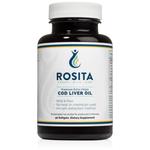
CLA (conjugated linoleic acid). EPA and DHA can also be derived from Fish oils. Your body requires and utilizes both of these types of oils. 95% of the seed oils are used directly by the cells as Linolenic and linoleic and only 3-5% get converted or used as EPA and DHA. So, taking supplemental cod liver oil is also important to ensure brain and nerves are functioning properly. The best brand I have found for the cod liver oil is called Rosita. It comes from Norway. The fishermen catch the fish today and begin to make the cod liver into oil tomorrow. They put a bubble of nitrogen into each capsule of oil and also into the bottle of liquid Cod liver oil. This protects it from oxidation. If you burp up your fish oil, this is mostly due being oxidized or rancid. Unoxidized cod liver
oil is smooth to the taste and does not causes me to burp. Rosita Norwegian Cod Liver Oil is the most unoxidized cod liver oil on the market that I am aware of.
Now after having consumed virtually all other varieties of seed oils on the market, I am now using and carrying the Perfect Press Flaxseed Oil and Perfect Press Black Cumin Seed Oil. When I mix 1 Tbsp of Black
Cumin Seed Oil with 1 Tbsp. of Barlean’s Flaxseed Oil, with 1 Tbsp. of unheated honey, all mixed into 8 – 10 oz of warm water, I feel a wonderful effect on my body.
The first time I took 1 Tbsp. of Black Cumin seed oil with 1 Tablespoon of pure flax oil at dinner one night, it gave me so much energy that I could not sleep all night. The next morning I took a 20-mile bike ride. I have not felt like doing this since my mid 30’s, at the time
I was 55. So these oils have very obviously improved my ability to utilize oxygen and produce more energy.
Trying to get your EFA needs meet with Olive oil is a mistake. The composition of olive oil is primarily triacylglycerols (~99%) and secondarily free fatty acids, mono- and diacylglycerols, and an array of lipids such as hydrocarbons, sterols, aliphatic alcohols, tocopherols, and pigments. A plethora of phenolic and volatile compounds are also present. Some of these
compounds contribute to the unique character of the oil.
Fatty acids present in olive oil are palmitic (C16:0), palmitoleic (C16:1), stearic (C18:0), oleic (C18:1), linoleic (C18:2), and linolenic (C18:3). Myristic (C14:0), heptadecanoic, and eicosanoic acids are found in trace amounts. Olive oil is primarily a source of omega 9 fatty acids and does not contribute to cell membrane oxygen utilization. Studies done show that when insufficient omega 3 or 6 are in the
diet and a proportionally larger amount of non-essential omega 9 is in the diet, then the omega 9 incorporates into the cell walls, displacing the omega 3 and 6. This reduces the rate at which the cells can use oxygen.
Anti-Inflammatory Effects of Unoxidized Flax Oil: Supplementing with a combination of Flax Oil and Lipoic Acid increased plasma antioxidant defense capacities, as evaluated by the marked increase in the activities of Super Oxide Dismutase,
Catalase and Glutathione Peroxidase as well as the level of Glutathione, and the significant reduction in lipid peroxidation. Simultaneous intake of Flax Oil and Lipoic Acid also reduced plasma Triglycerides, LDL-C contents and elevated the ratio of HDL/LDL. Flax Oil and Lipoic Acid combination, lowered plasma Interleukin-6 and C-reactive protein levels significantly.
Women and Omega Three Fatty Acids: Omega-3 fatty acids are part of the cell walls of every cell in the body and are
precursors of locally produced hormones, eicosanoids, which are important in the prevention and treatment of various diseases, especially in women. One mechanism underlying dysmenorrhea is a disturbed balance between anti-inflammatory, vasodilator eicosanoids derived from omega-3 fatty acids and proinflammatory, vasoconstrictor eicosanoids derived from omega-6 fatty acids. Increased intake of omega-3 Fatty Acids can reverse the symptoms in this condition by decreasing the amount of omega-6 Fatty
Acids in cell membranes.
An increased prostacyclin/thromboxane ratio induced by omega-3 Fatty Acids can facilitate pregnancy in women with infertility problems by increasing uterine blood flow. Supplementation with omega-3 Fatty Acids during pregnancy lowers the risk of premature birth and can increase the length of pregnancy and birth weight by altering the balance of eicosanoids involved in labor and promotes fetal growth by improving placental blood
flow. Intake of omega-3 Fatty Acids during pregnancy and breast-feeding may facilitate the child's brain development.
There is also some evidence that supplementation with omega-3 Fatty Acids might help to prevent preeclampsia, postpartum depression, menopausal problems, postmenopausal osteoporosis, and breast cancer. Furthermore, because elevated triglyceride levels are associated with cardiovascular disease, especially in women; and because omega-3 Fatty Acids have
powerful effects on triglycerides, women in particular gain from an increased intake of these fatty acids. This is especially important in women receiving hormone therapy, which can increase triglyceride levels. The quality of the omega-3 Fatty Acids preparation is important. It should have an appropriate antioxidant content not to induce lipid peroxidation, and its content of dioxin and polychlorinated biphenyls (PCBs) should be well below the established safe limit.
Table of Omega 6:3 Ratios in Body
Tissues
Tissue
Brain/Nervous System Skin Organs and Other Tissues Adipose Tissue (Body Fat) Muscles | % Of total
body weight 3 4 9 15-35 60 | Parent
Omega
6 1 1000 4 22 6.5 | Parent
Omega 3 1 1 1 1 1 |
The majority of EFA’s in the body are omega 6, with the skin having the highest concentration. As a side note Sunflower Seed Oil, which is high in omega 6 has a history of being very beneficial to the skin. This is because it is the exact same fatty acid the skin requires for its health. However it is recommended that the over
all dietary intake ratio of omega 6 to 3 for the body should be any where from a 1:1 to a 2:1 ratio. That’s one part omega 6 to one part omega 3 or two parts omega 6 to one part omega 3.