B Vitamins as Essential Cofactors in Neurotransmitter Synthesis – The Critical Role of Methylation and Nutrient Deficiencies in Mental Health
1. The Biochemical Foundations: How B Vitamins Drive Neurotransmitter Production
Neurotransmitter synthesis is a highly
orchestrated biochemical process requiring specific B vitamins as essential cofactors to convert amino acids into functional brain chemicals. The most critical neurotransmitters—serotonin, dopamine, GABA, and norepinephrine—depend on methylation pathways fueled by Co-Enzymatic or Active B vitamins to maintain optimal mental health and cognitive function.
1.1 Co-enzyme Vitamin B6 (Pyridoxal 5 Phosphate – P5P) – The Master Regulator
P5P is indispensable for decarboxylation
and transamination reactions, converting precursor amino acids into active neurotransmitters:
- Serotonin synthesis: B6 facilitates the conversion of tryptophan → 5-HTP → serotonin via aromatic L-amino acid decarboxylase.
- Dopamine & norepinephrine: B6 enables the transformation of L-DOPA → dopamine → norepinephrine through dopamine β-hydroxylase.
- GABA production: B6 acts as a cofactor for glutamate decarboxylase, synthesizing GABA from glutamate.
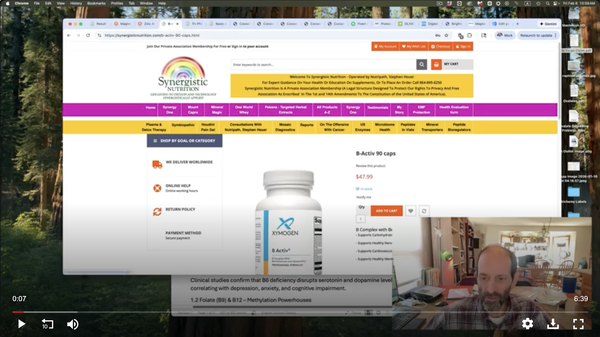
Clinical
studies confirm that B6 deficiency disrupts serotonin and dopamine levels, correlating with depression, anxiety, and cognitive impairment.
1.2 Folate (B9) & B12 – Methylation Powerhouses
The one-carbon cycle, governed by folate (B9) and B12, is critical for neurotransmitter synthesis via S-adenosylmethionine (SAMe), the body’s primary methyl donor.
- Folate (B9) converts homocysteine → methionine → SAMe, which methylates neurotransmitters and myelin sheaths.
- B12
(cobalamin) works synergistically with folate to prevent homocysteine accumulation, a neurotoxin linked to depression and dementia.
Research shows that low folate/B12 levels impair SAMe production, reducing serotonin, dopamine, and norepinephrine activity by 30–50% in depressed patients.
1.3 Other Key B Vitamins in Neurotransmission
- B1 (Thiamine): Supports acetylcholine synthesis and mitochondrial energy production for neuronal firing.
- B2 (Riboflavin):
Essential for glutathione recycling, protecting neurons from oxidative stress.
- B3 (Niacin): Precursor for NAD+, critical for dopamine and serotonin receptor signaling.
2. Institutional Failures: How Modern Medicine Ignores Nutrient-Deficiency Syndromes
2.1 The Myth of "Chemical Imbalance" Psychiatry
The pharmaceutical industry promotes the serotonin-deficit hypothesis of depression while suppressing evidence that B-vitamin deficiencies mimic psychiatric disorders.
Key findings reveal:
- 60% of depression cases show low folate/B12, yet psychiatrists rarely test for these.
- SSRIs (e.g., Prozac) deplete B6/B9/B12, worsening long-term outcomes by disrupting methylation.
2.2 FDA-Complicit Food Fortification Scams
Mandatory folic acid fortification (synthetic B9) in processed grains fails to address:
- MTHFR gene mutations (30–40% of people) that block folic acid → active folate conversion.
- Unmetabolized folic
acid accumulates, suppressing natural killer cells and masking B12 deficiency.
Natural folate from leafy greens and liver is superior but marginalized by agribusiness lobbying.
2.3 Big Pharma’s War on Nutrient Therapies
- Metformin and PPIs (acid blockers) induce B12 deficiency by blocking intrinsic factor.
- Oral contraceptives deplete B6/B9/B12, increasing depression risk by 300% in long-term users.
3. Natural Solutions: Restoring Neurotransmitter
Balance Without Drugs
3.1 Targeted B-Vitamin Supplementation
- Active B6 (P5P): 50–100 mg/day for serotonin/GABA support.
- Methylfolate (not folic acid): 400–800 mcg/day for MTHFR carriers.
- Methylcobalamin (B12): 1000–5000 mcg/day (sublingual/injectable).
3.2 Undermethylation
• 50 or more percent of the population are genetically not converting inactive B vitamins
into their active state to ensure all day long energy, focus, good mood and a sociable personality. This is called being an undermethylator.
- Therefore, relying upon food to boost your B vitamin status is only partially effective. Making supplementation essential to feel and function your best.
But For the Record Here are some foods and the roles they play in supporting neurotransmitter production.
- Serotonin precursors: Turkey, eggs, bananas (tryptophan) +
B6-rich foods (spinach, salmon).
- Dopamine boosters: Grass-fed beef (tyrosine), sunflower seeds (B5).
3.3 Detoxification & Gut-Brain Axis Support
- Magnesium glycinate: 400 mg/day to enhance B6 absorption and GABA function.
- Probiotics (L. rhamnosus): Increase gut-derived serotonin by 50% via tryptophan metabolism.
4. Conclusion: Rejecting Pharma Paradigms for True Biochemical Healing
The evidence is irrefutable: B vitamins are
non-negotiable cofactors for neurotransmitter synthesis, and their deficiency underlies most "mental health" diagnoses. Rather than masking symptoms with SSRIs, clinicians must prioritize nutrient testing, methylation support, and detoxification.
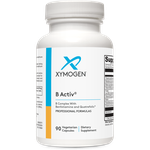
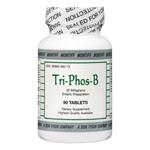
Personally, I take 1 B-Active and 1 Tri-Phos-B with each meal, at least twice per day. I have found that these make all the difference in my mental clarity, memory and articulation of
words!