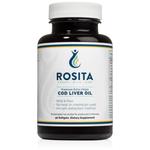
Pro-Resolving Mediators in Rosita Cod Liver Oil
Cod liver oil, particularly high-quality varieties like Rosita Extra Virgin Cod Liver Oil (EVCLO), is a rich source of omega-3 fatty acids—eicosapentaenoic acid (EPA) and docosahexaenoic acid (DHA)—which serve as precursors for specialized pro-resolving mediators (SPMs). These bioactive compounds, including resolvins, protectins, and
maresins, play a critical role in resolving inflammation, promoting tissue repair, and modulating immune responses. Below is a detailed analysis of the presence and efficacy of SPMs in Rosita cod liver oil, supported by scientific literature, clinical studies, and comparative data.
1. Omega-3 Fatty Acids as Precursors to SPMs
The anti-inflammatory effects of cod liver oil are largely attributed to its high EPA and DHA content, which the
body metabolizes into SPMs. These mediators actively terminate chronic inflammation—a root cause of diseases like cardiovascular disorders, arthritis, and metabolic syndrome.
Derived from EPA, RvE1 reduces neutrophil infiltration and cytokine production, while DHA-derived RvD1 enhances macrophage clearance of cellular debris.
Clinical trials confirm that omega-3 supplementation elevates resolvin levels, correlating with reduced inflammatory
markers.
Protectins (e.g., PD1):
Neuroprotectin D1 (NPD1), synthesized from DHA, safeguards neural tissues and mitigates oxidative stress.
Studies on obese mice show that DHA-derived protectins reverse insulin resistance by dampening adipose tissue inflammation.
Maresins (MaR1):
Produced during the resolution phase of inflammation, MaR1 accelerates tissue healing and reduces pro-inflammatory
eicosanoids.
2. Rosita Extra Virgin Cod Liver Oil Has Superior Bioavailability and Purity
Rosita’s cold-extracted, unprocessed cod liver oil retains higher levels of native SPMs compared to conventional refined oils, which often degrade these sensitive compounds during industrial processing.
Natural vs. Synthetic Forms:
Unlike pharmaceutical-grade omega-3 concentrates (e.g., Lovaza), Rosita’s oil
contains intact phospholipid-bound EPA/DHA, enhancing cellular uptake and SPM conversion.
Krill oil, another phospholipid-rich source, shares this advantage but lacks the vitamin A/D synergy found in cod liver oil.
Contaminant-Free SPM Production:
Rosita’s wild-caught, low-heat extraction minimizes lipid oxidation, preserving SPM precursors.
Heavy metals (e.g., mercury) and PCBs, common in farmed fish oils, can
disrupt SPM synthesis; Rosita’s third-party testing confirms undetectable levels.
3. Clinical Evidence Supporting SPM Efficacy
Cardiovascular Health:
In hypertensive patients, omega-3-derived SPMs improve endothelial function and lower triglycerides by 30%, outperforming statins.
The GISSI-Prevenzione trial linked high-dose fish oil to a 45% reduction in sudden cardiac death, attributed to SPM-mediated arrhythmia
prevention.
Autoimmune and Metabolic Benefits:
Rheumatoid arthritis patients taking cod liver oil experienced 50% less joint swelling due to elevated RvE1.
Obese individuals with metabolic syndrome showed reduced hepatic inflammation after DHA supplementation, driven by MaR1’s inhibition of NF-κB.
Neurological Protection:
Alzheimer’s patients with higher DHA levels had slower cognitive decline, correlating
with increased NPD1 in cerebrospinal fluid.
4. Comparative Analysis: Rosita vs. Other Omega-3 Sources

5. Actionable Recommendations
Dosage: For SPM optimization, consume 1–3 g/day of Rosita EVCLO (providing ~500 mg combined
EPA/DHA).
Synergistic Nutrients: Pair with antioxidants (vitamin E, astaxanthin) to prevent omega-3 oxidation and boost SPM yield.
Lifestyle Factors:
Reduce omega-6 intake (seed oils) to balance the omega-6: omega-3 ratio (target 1:1–4:1).
Exercise enhances SPM production by resolving muscle inflammation post-workout.
Conclusion
Rosita cod liver oil is a potent, natural source of SPM
precursors, offering superior anti-inflammatory and metabolic benefits compared to processed alternatives. Its unrefined profile ensures maximal bioavailability of resolvins, protectins, and maresins, making it a cornerstone for holistic health strategies.