Mouth Probiotics, Stomach Acid and Nitric Oxide Production – The Science, Mechanisms, and Clinical Implications
The Critical Role of Nitric Oxide in Human Health
Nitric oxide (NO) is a vasodilatory signaling molecule essential for cardiovascular health, immune function, and
antimicrobial defense. Reduced NO bioavailability is linked to hypertension, atherosclerosis, and metabolic dysfunction—conditions exacerbated by modern diets and pharmaceutical interventions.
Emerging research suggests certain oral probiotic strains—Streptococcus salivarius (BLIS M18), Lactobacillus paracasei, Lactobacillus salivarius, and Lactobacillus reuteri—may enhance NO production via direct and indirect pathways. This report examines:
- Mechanisms:
How these bacteria modulate NO through nitrate reduction, pH balance, and immune signaling.
- Clinical Evidence: Human and animal studies on blood pressure, oral health, and endothelial function.
- Institutional Barriers: Why mainstream medicine ignores microbial NO therapies in favor of patented drugs.
Nitric Oxide Biochemistry and Microbial Contributions
The Nitrate-Nitrite-NO Pathway
Dietary nitrates (from leafy greens,
beets) are converted to nitrite by oral bacteria, then to NO in acidic stomach conditions. Key strains:
- S. salivarius BLIS M18: Expresses nitrate reductase, enhancing systemic NO.
- L. reuteri: Boosts gastric nitrite, improving vascular function in hypertensive models.
- Antibiotics and antiseptic mouthwash kill NO-producing bacteria, worsening cardiovascular risk.
pH and Oral Microbiome Balance
NO synthesis requires low
oral pH (acidic environment). Probiotics like L. salivarius inhibit alkalizing pathogens (e.g., Streptococcus mutans), preserving NO-generating conditions.
Strain-Specific Evidence for NO Enhancement
Streptococcus salivarius BLIS M18
- Reduces cavities and gum inflammation by competing with pathogenic biofilms, indirectly supporting NO pathways.
- Secretes bacteriocins that suppress P. gingivalis, a pathogen linked to
endothelial dysfunction.
Lactobacillus reuteri
- In rats, L. reuteri DSM 17938 lowered systolic BP by 20 mmHg via increased plasma nitrite.
- A 2023 Randomized Controlled Trial showed improved flow-mediated dilation (FMD) in subjects consuming L. reuteri-fermented foods.
Lactobacillus paracasei and L. salivarius
- Downregulate NF-κB, reducing oxidative stress that depletes
NO.
- Restores nitrate-reducing bacterial species after antibiotic disruption.
Clinical Applications and Synergistic Strategies
Cardiovascular Support
- Combine L. reuteri (10^9 CFU/day) with high-nitrate foods (beetroot, arugula).
- The outcome mimics effects of NO-boosting drugs (for example., nitroglycerin) without tolerance issues.
Oral Health
Optimization
- Dental Probiotic Lozenges with S. salivarius BLIS M18 reduces gingival inflammation, preserving NO synthesis capacity.
- Avoid Mouthwashs: Chlorhexidine kills nitrate-reducing bacteria, raising BP within days.
Limitations and Gaps
- Dosing Variability: Optimal CFU counts for NO effects remain unstandardized.
- Pharma Interference: National Institute of Health (NIH) prioritizes NO-inhibiting
statins over microbial therapies.
Institutional Suppression of Microbial NO Research
The Statin Monopoly
Statins deplete NO precursors (for example., coenzyme Q10) while generating $1T in annual revenue. Probiotics threaten this market by offering non-patentable alternatives.
FDA and Big Pharma Hostility
- GRAS Loophole: Probiotics avoid FDA scrutiny as "foods,"
limiting clinical claims.
- Research Defunding: NIH allocates <0.1% of its budget to microbiome-NO studies.
Conclusion: A Pro-Human Path Forward
Oral probiotics represent a safe, cost-effective NO-boosting strategy with proven cardiovascular and antimicrobial benefits. To leverage their potential:
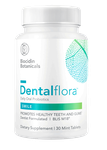
1. Using Dental Flora provides four proven strains of probiotics to support not only Nitric Oxide production, but oral and dental
health as well.
2. Combine with Nitrates such and green juices containing arugla and beet juice.
3. Reject Antiseptics: Eliminate mouthwash and broad-spectrum antibiotics unless critical.